Last Updated: May 2026
The Wheel Strategy: Essential Do's and Don'ts
The Wheel looks simple on a flowchart, but execution depends on rules. These do's and don'ts help keep the strategy grounded in risk management instead of premium excitement.
Do Trade Only Stocks You'd Be Happy to Own
Assignment is not an edge case. It is one of the central outcomes of the strategy. If owning the shares would make you panic, the put is the wrong trade.
Quality does not guarantee profit, but it gives you more choices when the stock moves against you. Weak underlyings remove choices quickly.
Do Size Positions Conservatively
Never let one Wheel position dominate the account. A 5% to 10% cap per position is a useful starting point for many traders, though smaller accounts may need ETFs or lower-priced stocks to stay diversified.
Sizing is emotional risk management. A properly sized assignment is a decision. An oversized assignment feels like an emergency.
Do Use Limit Orders and Track Cost Basis
Options spreads can be wide, so market orders quietly damage returns. Use limit orders and be willing to miss a trade. There is always another expiration.
Track put premium, call premium, assignment price, dividends, and commissions. Without clean records, you cannot know whether the Wheel is working or merely feeling busy.
Don't Chase High IV Blindly
High implied volatility pays more because the market expects larger moves. That may be opportunity, but it may also be warning. Understand the catalyst before selling premium.
Earnings, regulatory decisions, debt concerns, and takeover rumors can all inflate premium. The question is not whether the premium is high; the question is whether you are being paid enough for the specific risk.
Don't Over-Leverage or Ignore Assignment
Selling puts without the cash to buy shares changes the strategy into something much more dangerous. The word cash-secured matters. It keeps the obligation real.
Plan assignment before opening the trade. Know whether you will take shares, roll, close, or avoid the setup entirely.
Don't Treat the Wheel as Passive
The Wheel is systematic, but it is not hands-off. You need to monitor earnings dates, ex-dividend dates, volatility, open positions, and account concentration.
A few minutes of calm review can prevent rushed decisions later. The strategy rewards patience, not neglect.
A Note on Discipline
The best Wheel traders are rarely the most aggressive. They are consistent. They accept smaller, repeatable opportunities and avoid the trade that can undo months of progress.
Discipline is not a slogan; it is a written checklist, a position-size rule, and the willingness to skip trades when the setup is not there.
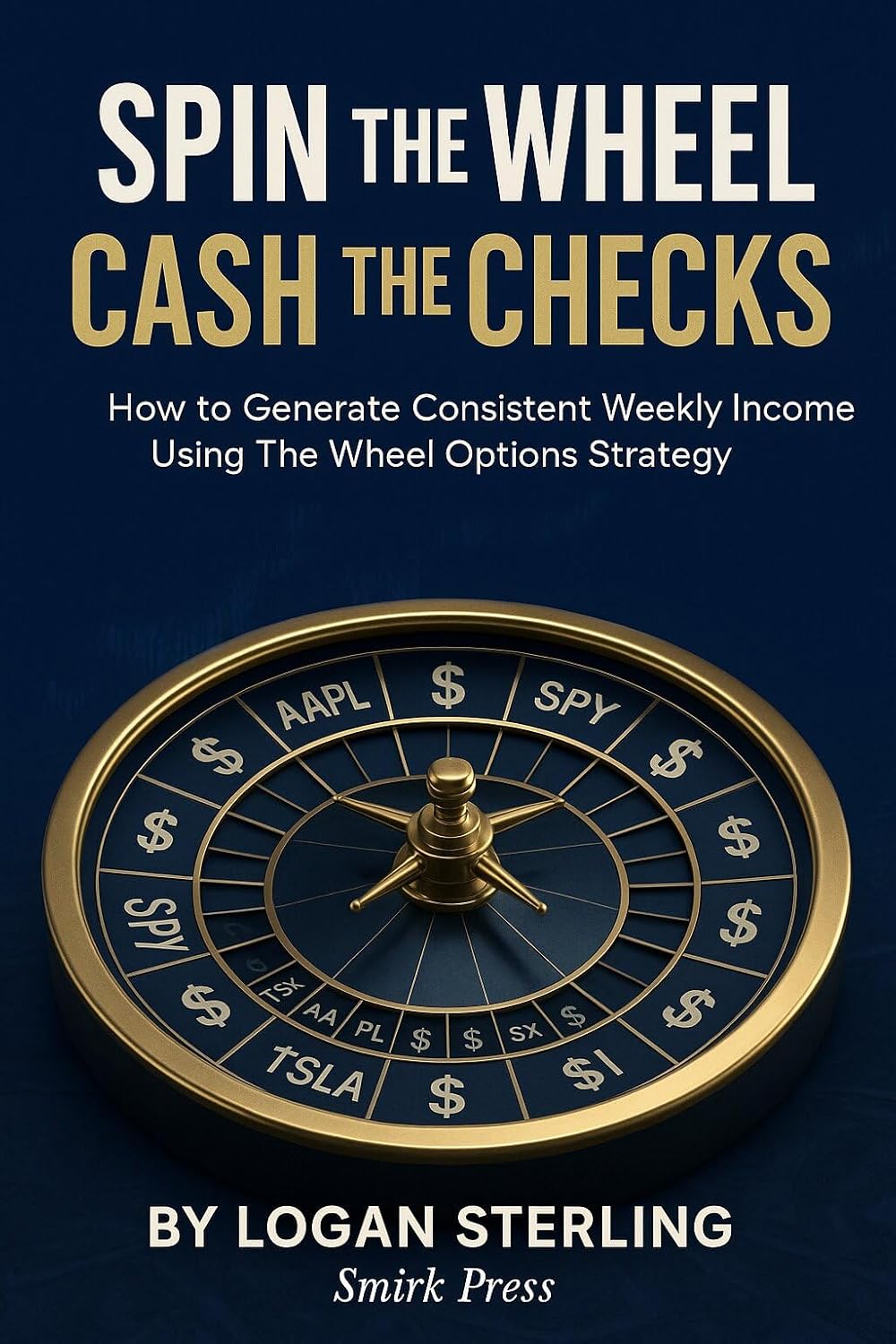
Want the Complete Playbook?
Spin the Wheel, Cash the Checks by Logan Sterling walks you through every step of the Wheel strategy - from stock selection to trade management - with real examples and a repeatable system you can start using immediately.
View on Amazon